
Large herbivores in the city
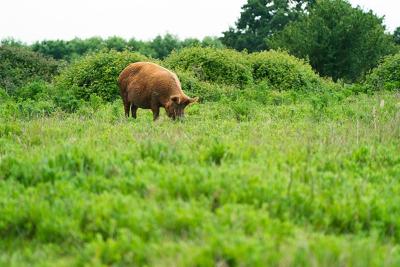

Throughout October a herd of large herbivores has been migrating through Newcastle and Gateshead's City Parks, returning lost ecological processes and biodiversity in their wake, whilst capturing the imaginations of communities...
It's often thought that the landscape in the UK would have been covered in an almost complete blanket of woodland, where a red squirrel could have travelled from John O' Groats to Land's End without touching the floor, but we have forgotten one key thing... once our landscapes would have been grazed and browsed by a whole host of large wild animals, from elk and bison to aurochs and boar.
As herbivores are the vegetarians of our ecosystems, they are all slightly different, eating different parts of plants, in different ways, which shapes the area in which they live in a whole host of different ways. This creates an impact on the rest of the local wildlife, and drives the natural processes that shape our landscapes and support life.

Unfortunately in our cities it's difficult to return large herbivores to our parks and green spaces to support natural processes, but we can help, by taking on some of the roles of these lost animals.
A helping hand from a human herd
A herd of human large herbivores roamed Leazes Park, Gateshead Riverside Park and City Stadium, grazing and browsing scrub and young trees as they went. Instead of hooves they used rakes and spades; instead of teeth and tongues, they used secateurs, shears and loppers.
By returning some of the actions of our lost herbivores to scrub across our city parks, we can begin to support a wider diversity of wildlife, and provide better habitats where natural processes can return.

Each year the human herd will return, browsing new areas of scrub, not to remove it from our parks, but instead to preserve it, creating the best habitats it can be, by following the lead of nature. Managing our parks in a more nature-focused way provides more opportunities for wildlife, but also us. The herd not only connects habitats but also people.
Get involved in volunteering on the Tyne Derwent Way


